


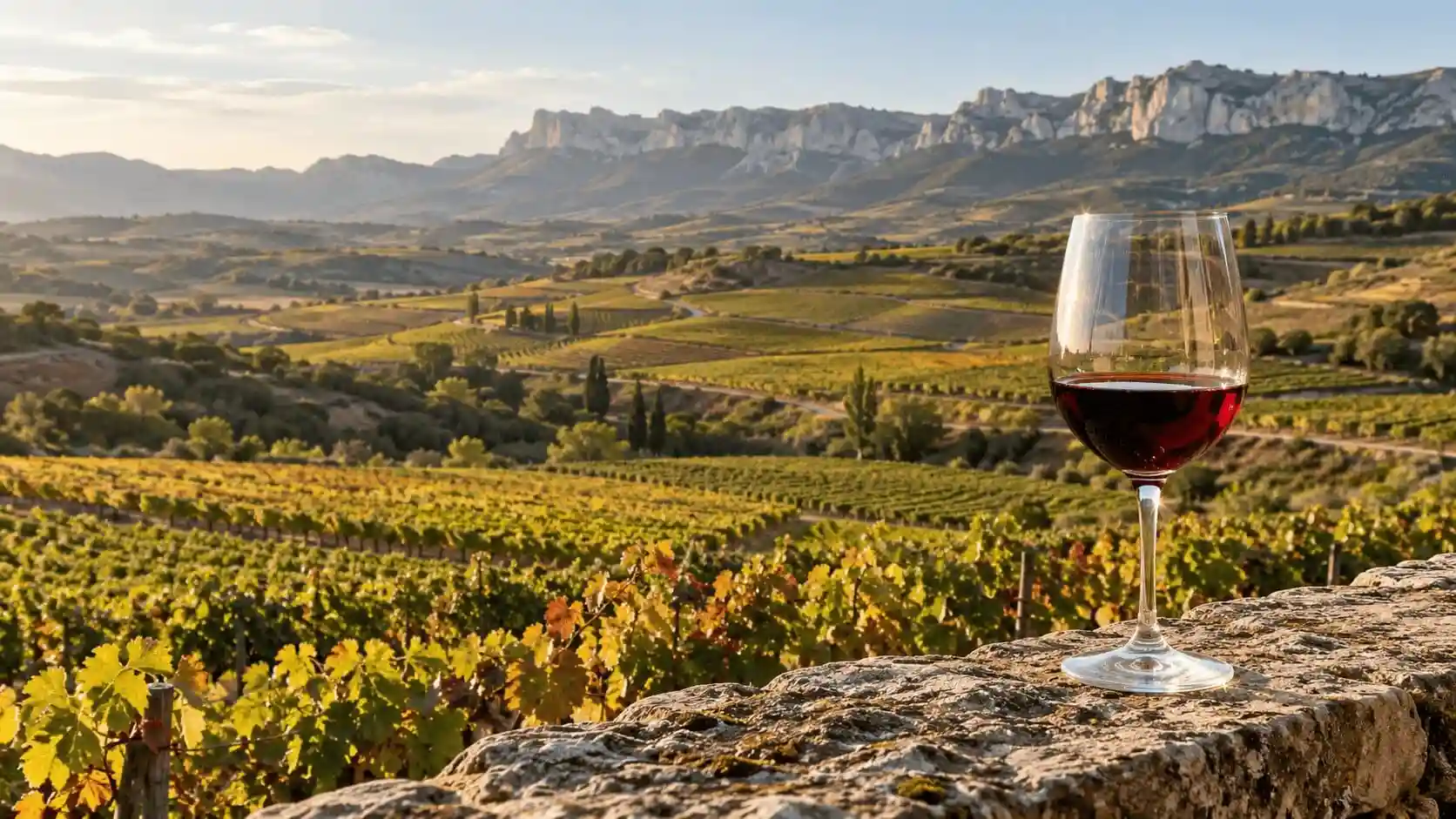
Wines from La Rioja Alta are known internationally, but what makes them so special?
In this article, we'll tell you why they're unique, about their region, their grape varieties, and how the wineries take advantage of the characteristics of their environment to create exceptional wines.
Climate and Soil
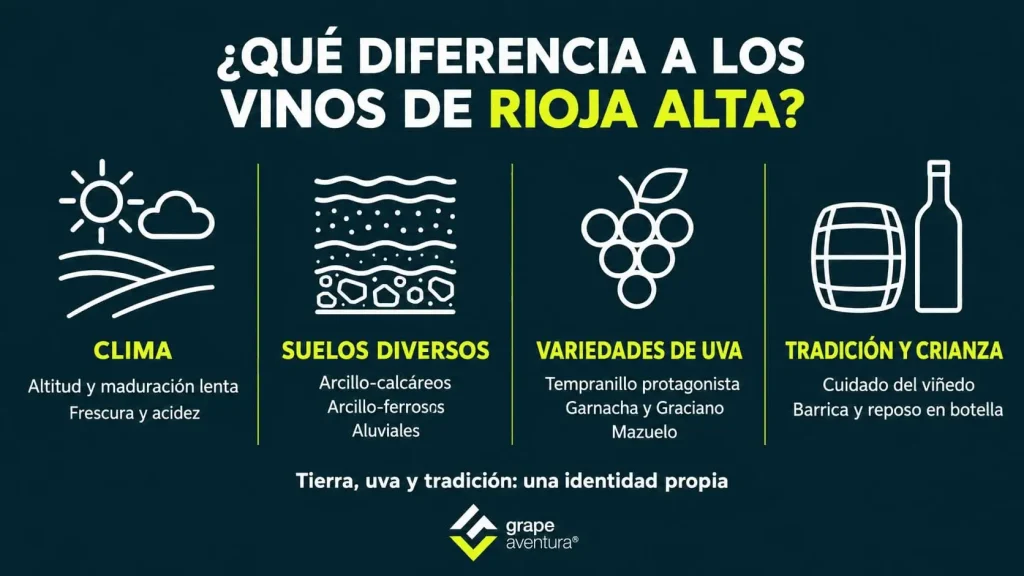
One thing that sets La Rioja Alta wines apart is the region where they are produced. Temperatures are relatively mild, rainfall is moderate, and the altitude of the vineyards causes the grapes to ripen more slowly, which helps them retain greater acidity and freshness.
Floors that add nuance
There are different types of soil in the Rioja Alta:
- Clay-limestone soils: This type of soil produces intense, well-balanced wines that retain their qualities for years.
- Clay-iron soils: Wines produced on these soils tend to be light, fruity, and fresh.
- Alluvial: These soils are characterized by being sandy and stony; they retain heat and cause the grapes to ripen earlier. Wines produced on these soils tend to be light and fruity.
Tempranillo in the Rioja Alta.
Tempranillo is, par excellence, the most characteristic grape variety of the Rioja Alta.
This grape variety adapts easily to different climates and soil types, and the wines are characterized by their aromas of red fruits, such as cherries or strawberries, and may even develop notes of spices like vanilla or leather over time.
Grape Varieties That Enrich the Character of Rioja Alta
Although Tempranillo is the quintessential wine of Rioja Alta, the truth is that other Rioja grape varieties are grown in this region that greatly enrich it.
Some of them are:
Garnacha, which is characterized by its aromatic intensity, notes of ripe fruit, freshness, and smoothness.
Graciano, which is a tart wine with a rich bouquet
Mazuelo, which is characterized by its structure and character, with aromas of red and black fruits and herbal, spicy, and balsamic notes.
The Tradition and Aging of Rioja Alta Wines
To truly appreciate the wines of the Rioja Alta, we cannot overlook the wineries. In order to produce the wines with character that define this region, the work must begin in the vineyards, with meticulous monitoring and careful selection of the optimal harvest time. Then comes the stage where the wine evolves; aging in oak barrels is essential for this step, as it is when the wine develops new aromas and takes on new nuances.
After that, we move on to bottle aging; this step allows the components to blend together, and the wine begins to develop complexity as it takes on a variety of aromas.
Wines from the Roja Alta region can range from young, fruity reds to gran reservas, depending on the winemaking process and aging time.
Rioja Alta: Wines with Their Own Identity
There are a number of factors—such as the climate, the diversity of its soils, and its rich winemaking tradition—that make this region a leading destination for wine tourism on an international level.
Behind every bottle of Rioja Alta lies generations of history and culture, as well as the hard work of those who, year after year, tend the land to bring its wines to life.
To discover these nuances, there's nothing like tasting them in a glass. With the Adventures and Wine Tastings by Grape Aventura You'll be able to explore the rich wine culture of Rioja Alta and enjoy an experience that combines flavors, tradition, and good times with friends.